Explore the region

Discover natural wonders, historic sites, and coastal beauty

Plan Your Journey

All attractions are easily accessible from Podbablje

The Church of Saint Ante

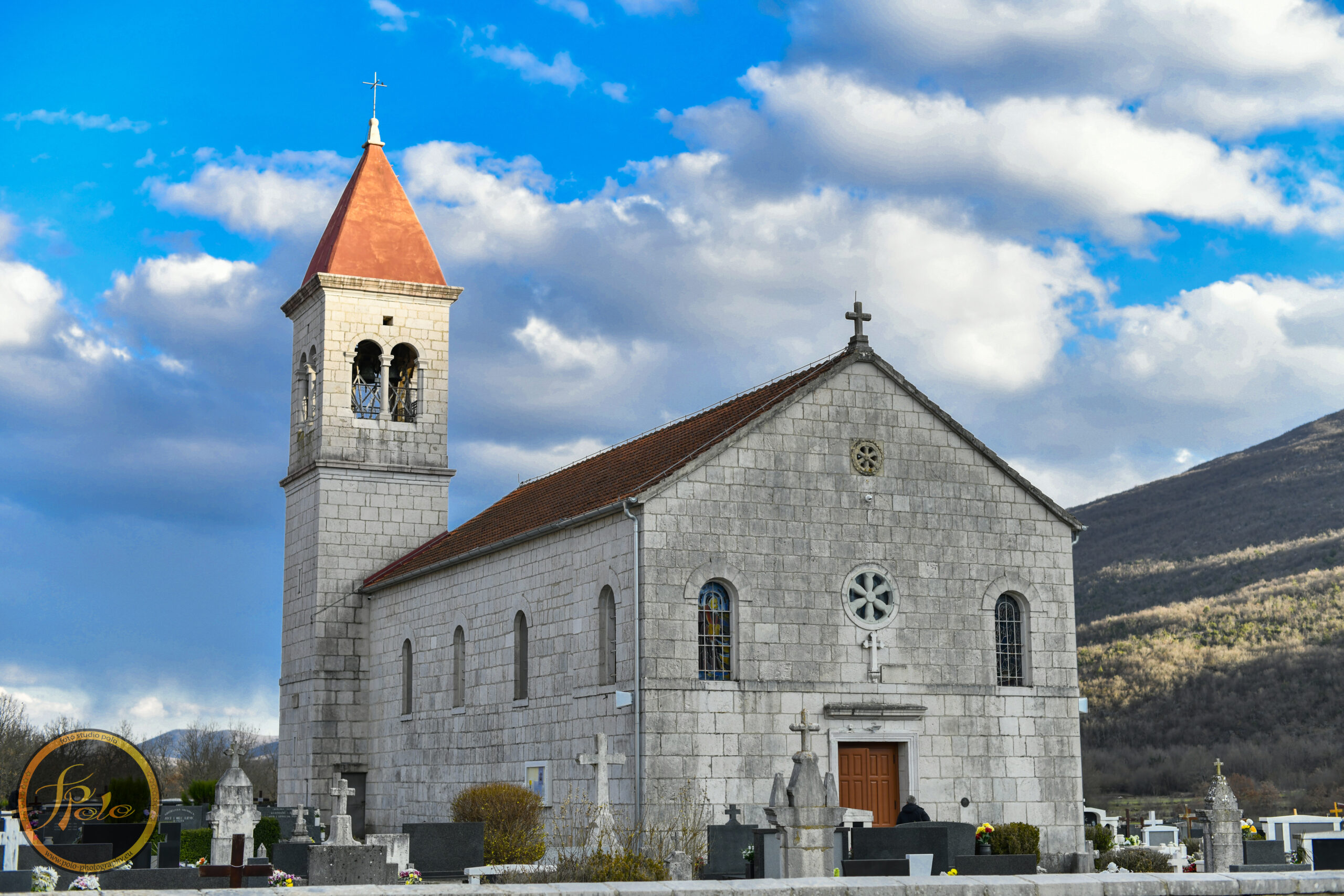
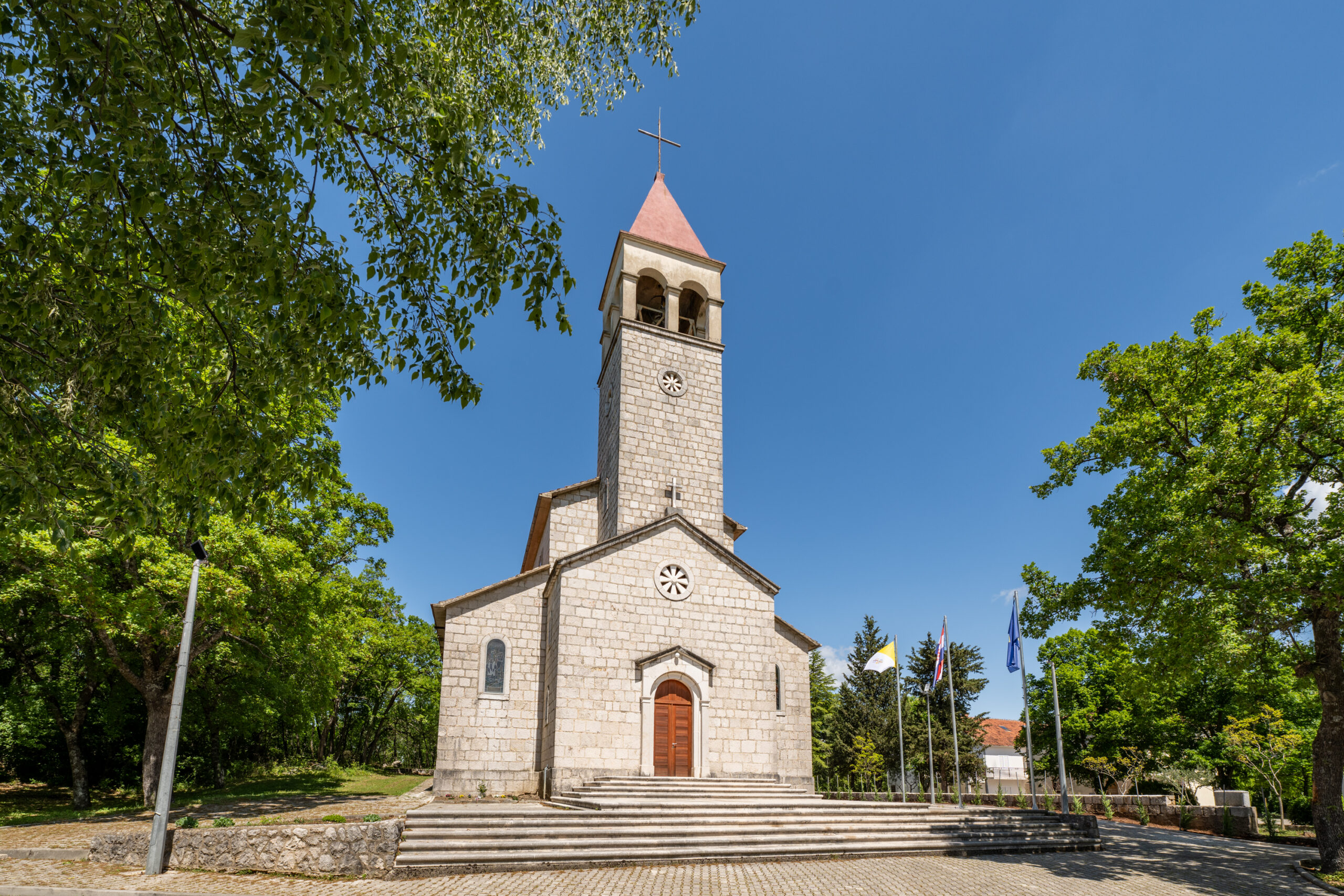
The Church of Saint Ante in Drum is located in the central part of the parish of Podbablje and today represents its main place of worship.

The need for its construction arose at the end of the 19th century, as the old Church of Saint Luke had become too small and was located on the outskirts of the parish. Due to disagreements among the local residents and the circumstances of war, construction did not begin until 1927. By the beginning of the Second World War, the church had been built up to the roof level, while the works were fully completed in 1977. Although it was originally planned as the Church of Saint Anthony, it was briefly dedicated to Saint Peter during its consecration.

The church was built in the Neo-Romanesque style with three naves, and its façade is adorned with a stone bell tower partly constructed from stones taken from the former Chapel of Saint Anthony. Inside the church are a large cross, a tabernacle with silver doors, a painting of Saint Peter, and statues of the Blessed Virgin Mary and Saint Anthony.

With its appearance and history, the Church of Saint Anthony bears witness to the long-lasting efforts and unity of the parishioners who, over the decades, took part in its construction.

Church Saint Luka

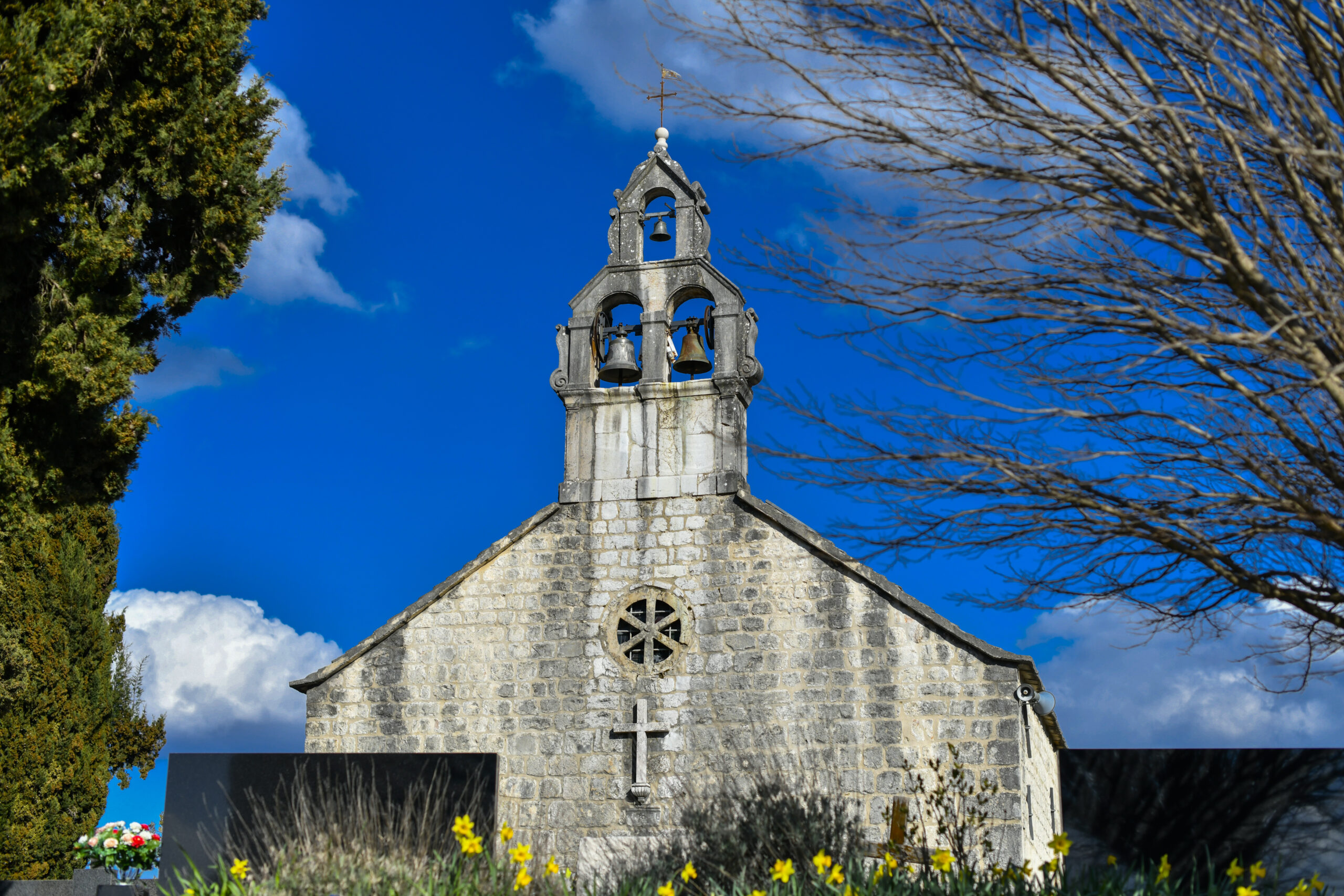
Near the old stone bridge on the Vrljika River stands the Church of St. Luke, the centuries-old guardian of Kamenmost. Located at a once-important crossing point between Bosnia and Dalmatia, the church has witnessed the passage of merchants, travelers, armies, and caravans that used this route for centuries.

The church was first mentioned in 1562, while its present appearance dates back to 1705. One of its most distinctive features is the fact that medieval tombstones known as stećci have been built into its walls, bearing witness to the rich history of this area. During the Ottoman period, the church also served as a refuge for the local population, and the discovered loopholes in its walls confirm its defensive role.

Local residents still tell stories of how the bells of the Church of St. Luke were once used to tell the time of day. Carried by the bura and the jugo winds, the sound of the bells traveled for kilometers across Imotsko Polje and served as a kind of natural clock long before the invention of modern timepieces.

The Church of Saint Anne

The Church of Saint Anne in Poljica Imotska is the central place of religious life in the parish and has been expanded and renovated several times throughout the centuries.

It is believed that a smaller chapel or church already existed on this site during the period of Ottoman rule. The first parish church was built in 1744, and due to the growing number of believers, a larger building was constructed in the mid-19th century. At the end of the 19th and the beginning of the 20th century, the church was further expanded, with the works completed in 1919. A few years later, the stone bell tower was finished, and new bells were installed. Over time, the interior of the church was enriched with altars, statues, and a large cross donated by the parishioners.

After the Second Vatican Council, the sanctuary was renovated according to the new liturgical guidelines, and new liturgical elements were added. A special value to the present appearance of the church is given by the stained-glass windows created by academic painter Ivan Kujundžić, as well as the landscaped approach to the church and cemetery.

Today, the Church of Saint Anne is an important monument of the cultural and religious heritage of Imotski Poljica, bearing witness to a long history and the unity of its parish community.

Red and Blue Lake

Red and Blue Lake are among the most famous karst phenomena of this region. They were formed through natural processes in the karst landscape and, since 2024, have been part of the UNESCO Biokovo–Imotski Lakes Geopark.

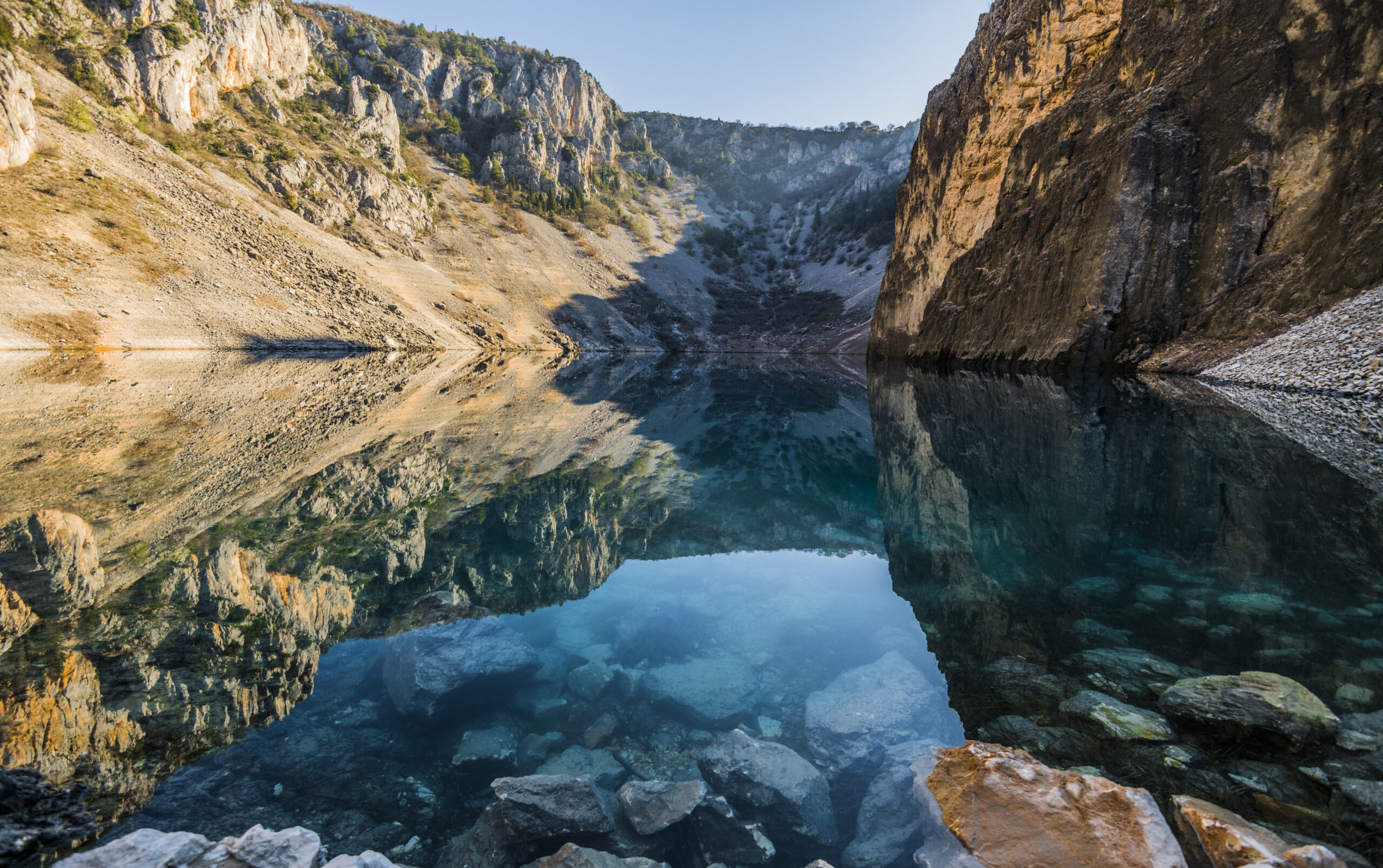
Blue Lake is known for its crystal-clear blue colour, which changes depending on the weather and water levels. Visitors can reach the lake via a well-maintained pathway, and during the warmer months it becomes a popular spot for swimming and recreation. During periods of drought, the lake can dry up completely, and a traditional football match is then played on its lakebed between the teams known as the "Werewolves" and the "Fairies".

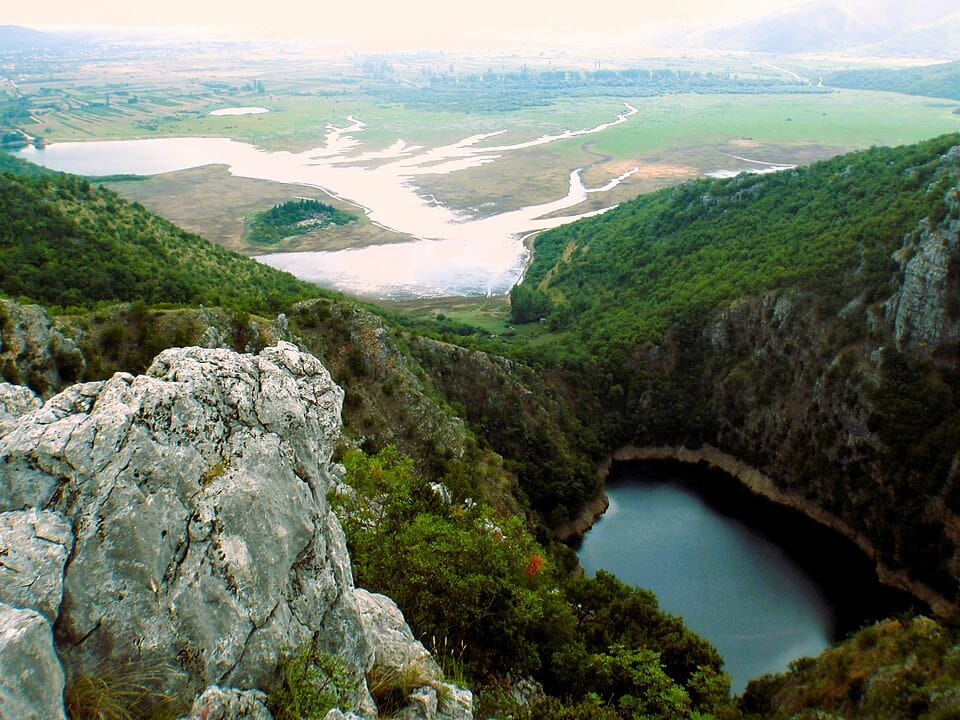
Just 1.5 kilometres away, Red Lake impresses visitors with its immense size, depth, and steep reddish cliffs, from which it gets its name. The depth of the water ranges from 255 to as much as 300 metres. Due to the inaccessible terrain, it is not possible to reach the water itself, but the viewpoint offers a unique and unforgettable experience. Because of the lake's great depth and the specific air currents within its steep cliffs, there is a local belief that it is almost impossible to throw a stone directly into the water, making it a popular challenge for many visitors.

According to local legend, the site of today's Red and Blue Lakes was once occupied by the magnificent estate of a wealthy but arrogant nobleman known as Gavan. Because of his arrogance and injustice, the earth opened up and swallowed his estate, and two lakes were formed in its place.

Biokovo

The Municipality of Podbablje is surrounded by a unique natural backdrop – Mount Biokovo. Biokovo is one of the most impressive mountains in Croatia and forms a natural boundary between the Adriatic Sea and the Dalmatian hinterland.

Most of the mountain is protected within Biokovo Nature Park, an area featuring remarkable karst formations such as caves, sinkholes, and deep pits, as well as a rich diversity of endemic flora and fauna.

Its highest peak, Saint George (Sveti Jure), rising to 1,762 metres above sea level, offers panoramic views stretching across the Adriatic Sea and its islands on one side, and the karst landscape with the vast Imotsko Polje on the other.

Another significant peak is Vošac, known for peaceful hiking trails and spectacular sunsets.
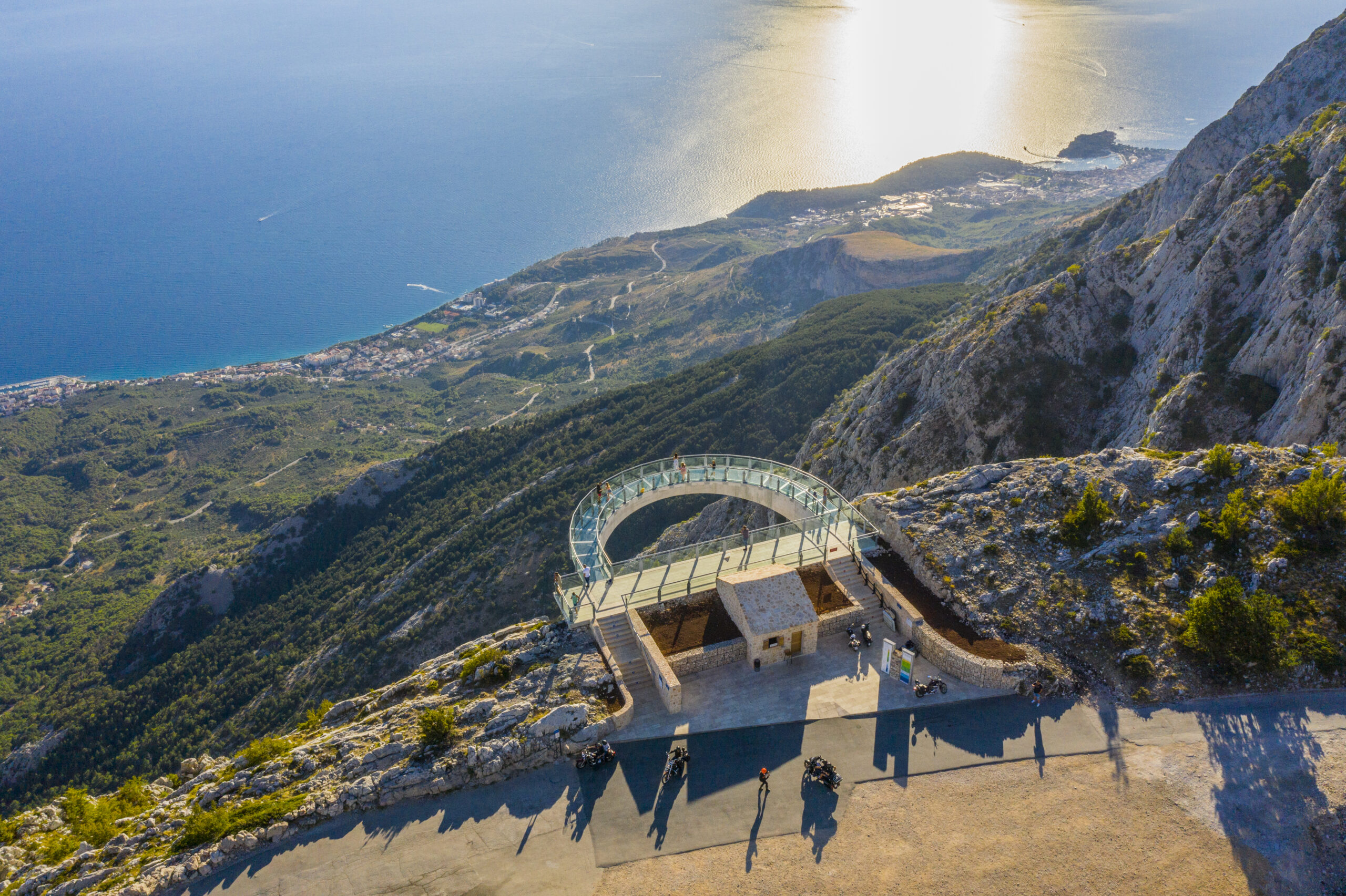
Beautiful views can also be enjoyed from the “Biokovo Skywalk”, a glass viewing platform located at an altitude of 1,228 metres.

Since 2024, the area has been part of the UNESCO Biokovo–Imotski Lakes Geopark.

Green Lake in Ričice

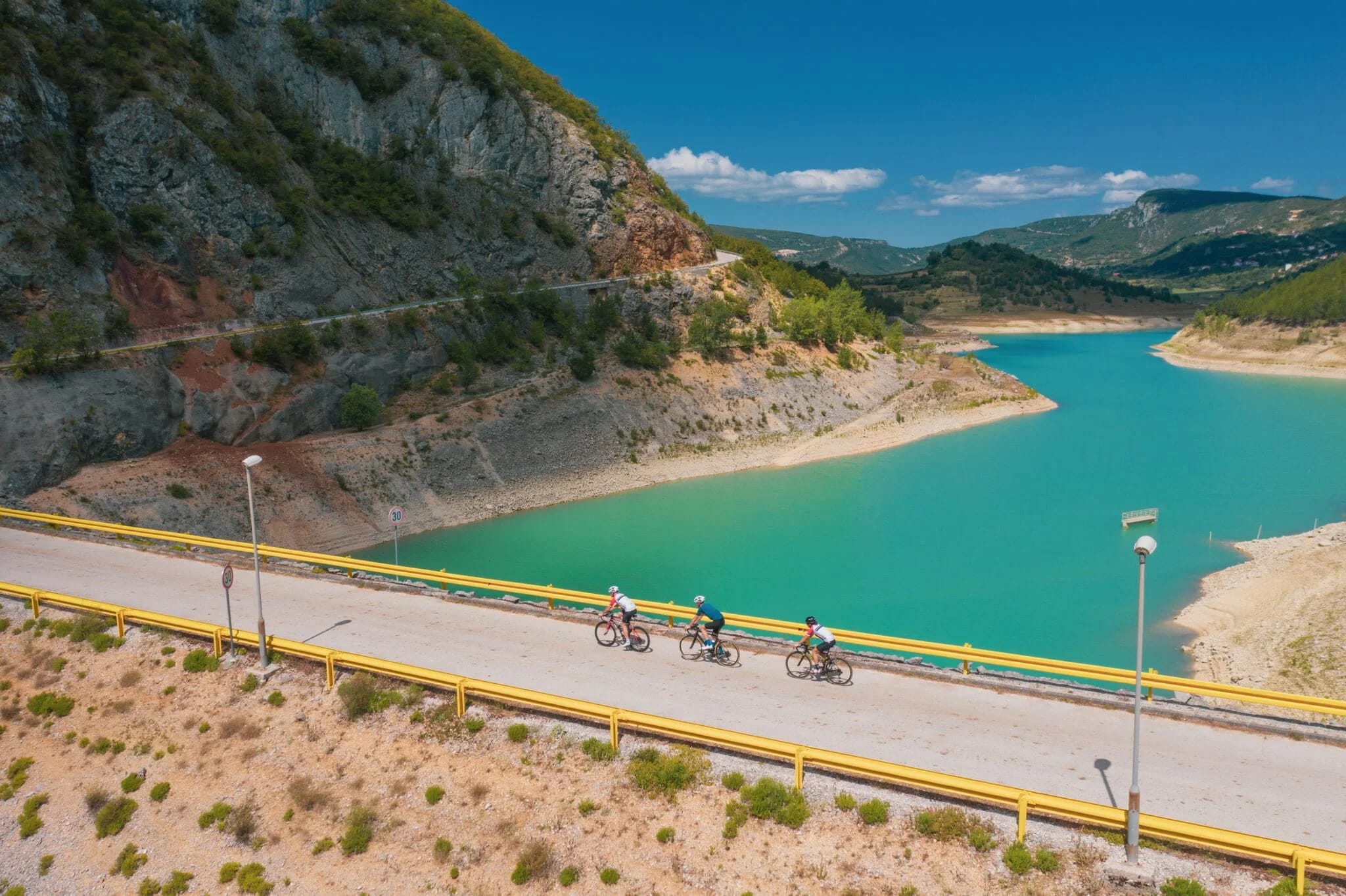
Green Lake in Ričice is an artificial reservoir created in 1985 with the construction of a dam as part of a land reclamation project for the irrigation of Imotsko Polje.

Although the planned canal system was never fully completed, the lake remained a permanent part of the landscape and is today a popular recreational destination. Its official name is the Ričice Reservoir Lake, and it is supplied by the Vrbica and Ričina streams. Beneath its surface lie submerged hamlets, houses, roads, and vineyards that disappeared after the construction of the dam. When the water level drops significantly, the remains of the old bridge and the foundations of former houses become visible, reminding visitors of the life that once existed here before the creation of the lake. The year 2012 was particularly notable, as a low water level revealed a large part of the submerged remains once again.

The lake is surrounded by karst cliffs, grassy areas, and Mediterranean maquis, giving it an exceptionally attractive appearance. The peaks of former hills rise from the water, now resembling small islands and creating a landscape unique to the Dalmatian hinterland.

Today, Green Lake is a valuable natural and tourist attraction, drawing visitors with its beauty and fascinating history.

Prološko Blato

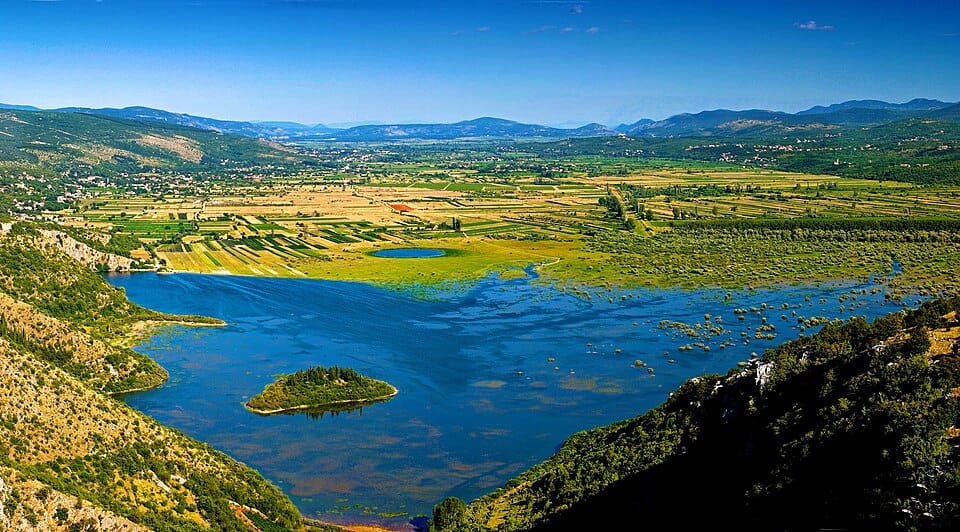
Prološko Blato is located in the western part of the Imotsko Polje and is one of the most well-known floodplain areas in the Imotski region.

During winter and spring, it fills with water and transforms into a large shallow lake, while in summer the water recedes, leaving behind fertile land. A smaller part of Prološko Blato, known as Prološko Lake, remains permanently under water throughout the year. This area is an important habitat for numerous species of birds, fish, and other wildlife. The water in Prološko Blato mainly comes from the Suvaja River and heavy rainfall. On the northern edge there is a hill called Manastir with the remains of a Franciscan monastery, which becomes a small island during high water levels.

Due to its natural and landscape value, Prološko Blato is protected as a significant landscape. Today, this area is known for its beauty, rich biodiversity, and great importance for the conservation of plant and animal species.

Krčevac Spring

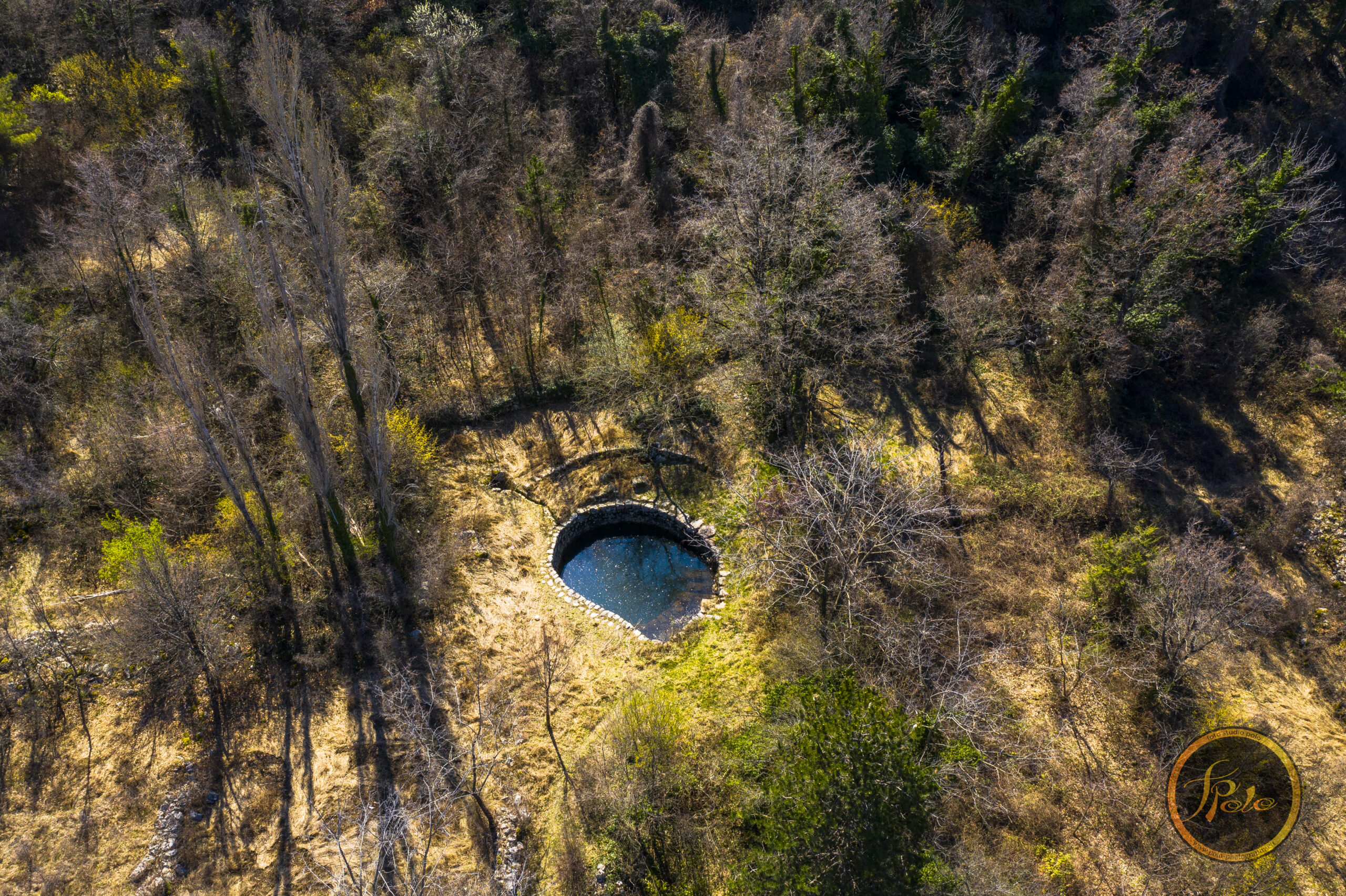
The Krčevac Spring is located in the municipality of Podbablje, in Imotska Krajina, and represents an important karst spring with an underground cave system. The submerged part of the spring extends for approximately 70 meters and reaches a depth of around 15 meters.

The spring is one of the southernmost known habitats of the olm (Proteus anguinus), a protected species endemic to the Dinaric karst region. Due to its exceptional natural value, the Krčevac Spring has been included in the Natura 2000 ecological network and is part of the UNESCO Biokovo-Imotska Lakes Geopark.

In recent years, experts have regularly monitored the olm population in order to help preserve its fragile habitat. Speleologists and cave divers have also carried out cleaning campaigns, removing large amounts of waste from the cave. These conservation efforts contribute to the protection of the spring and the improvement of living conditions for this rare underground species.

Besides its scientific importance, the Krčevac Spring is an excellent example of how nature conservation and environmental protection play a vital role in preserving rare plants and animals for future generations.

Knezovića Lake

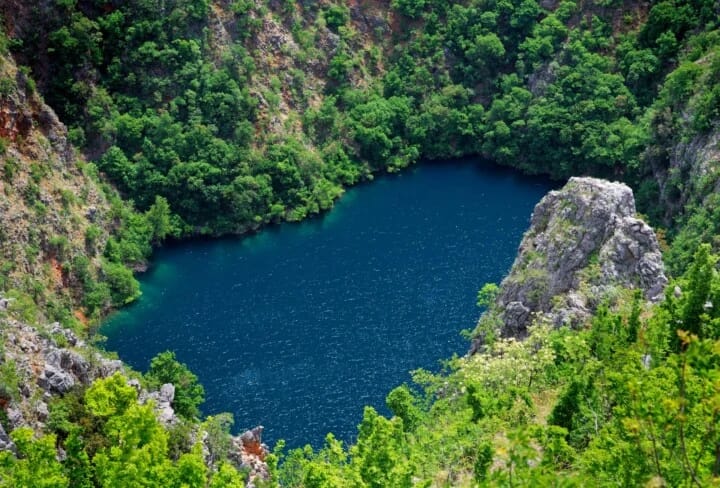
Knezovića Lake is located in the municipality of Lokvičići, near Imotski. It lies within a deep karst sinkhole surrounded by high and very steep cliffs. Due to its inaccessibility, it is one of the least visited lakes in the area.

The water in the lake is exceptionally clear, and its maximum depth is about 40 meters. In appearance, it resembles the Red Lake, although it is significantly smaller. The water level varies throughout the year, but the lake does not dry up. Nearby are Mamića Lake, Galipovac, and Prološko Blato, with which it forms a unique natural system.

Knezovića Lake represents a valuable natural attraction of the Imotski region and attracts lovers of untouched nature and karst landscapese cultural identity of the Imotski region.

Galipovac

Galipovac is a karst lake located in the municipality of Lokvičići in the Imotski region. It is the largest of the three Lokvičići lakes and is situated along the northern edge of the Imotski field. It is surrounded by high and very steep cliffs that give it a distinctive and impressive appearance.

The lake is about 170 meters long and around 115 meters wide, with a depth exceeding 60 meters that varies depending on the water level throughout the year. The water is generally clear, although after heavy rainfall it can become murky due to increased inflow. The lake can be most easily reached via the pass above the Imotski field, and there are nearby viewpoints and resting areas. It is believed that Galipovac is connected through underground waterways with the other Lokvičići lakes and Prološko Blato.

Due to its natural beauty and peaceful surroundings, Galipovac is one of the most interesting yet still relatively undiscovered natural attractions of the Imotski region.

Most na Bublinu

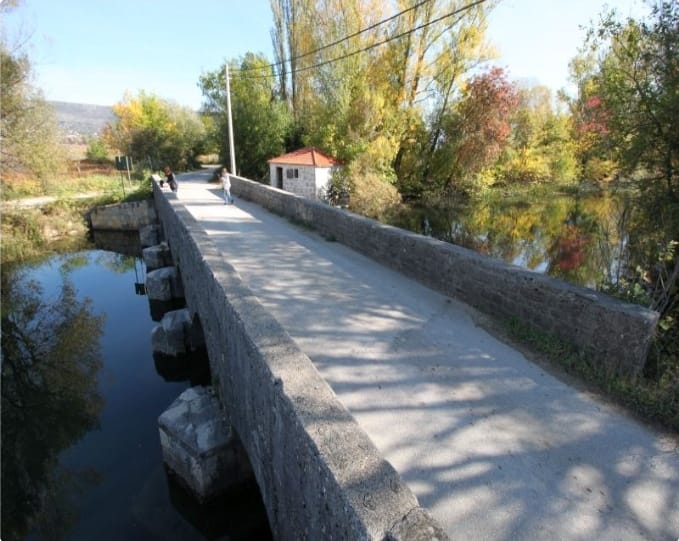
The Bublin Bridge is located on the Vrljika River in the municipality of Zmijavci, within the area of Imotsko Polje. It was built at the end of the 19th century and represents a valuable example of engineering architecture from that period.

Originally, the bridge had five stone arches, while in the mid-20th century it was extended with an additional arch towards the nearby Petrović Mill. Its stone supports were designed to reduce the force of river floods and contribute to the stability of the structure. The bridge is 23.40 meters long, with a roadway approximately 4.85 meters wide. Together with the surrounding stone retaining walls, the riverbed, and the mill, it forms a harmonious historical and natural complex. Due to its historical, architectural, and cultural value, it has been entered into the Register of Cultural Goods of the Republic of Croatia.

Today, the Bublin Bridge is one of the recognizable landmarks of Zmijavci and an important part of the heritage of Imotska Krajina. Its appearance and preservation testify to the craftsmanship of its builders and represent a valuable monument to the history of the area.

Zovnjača Cave

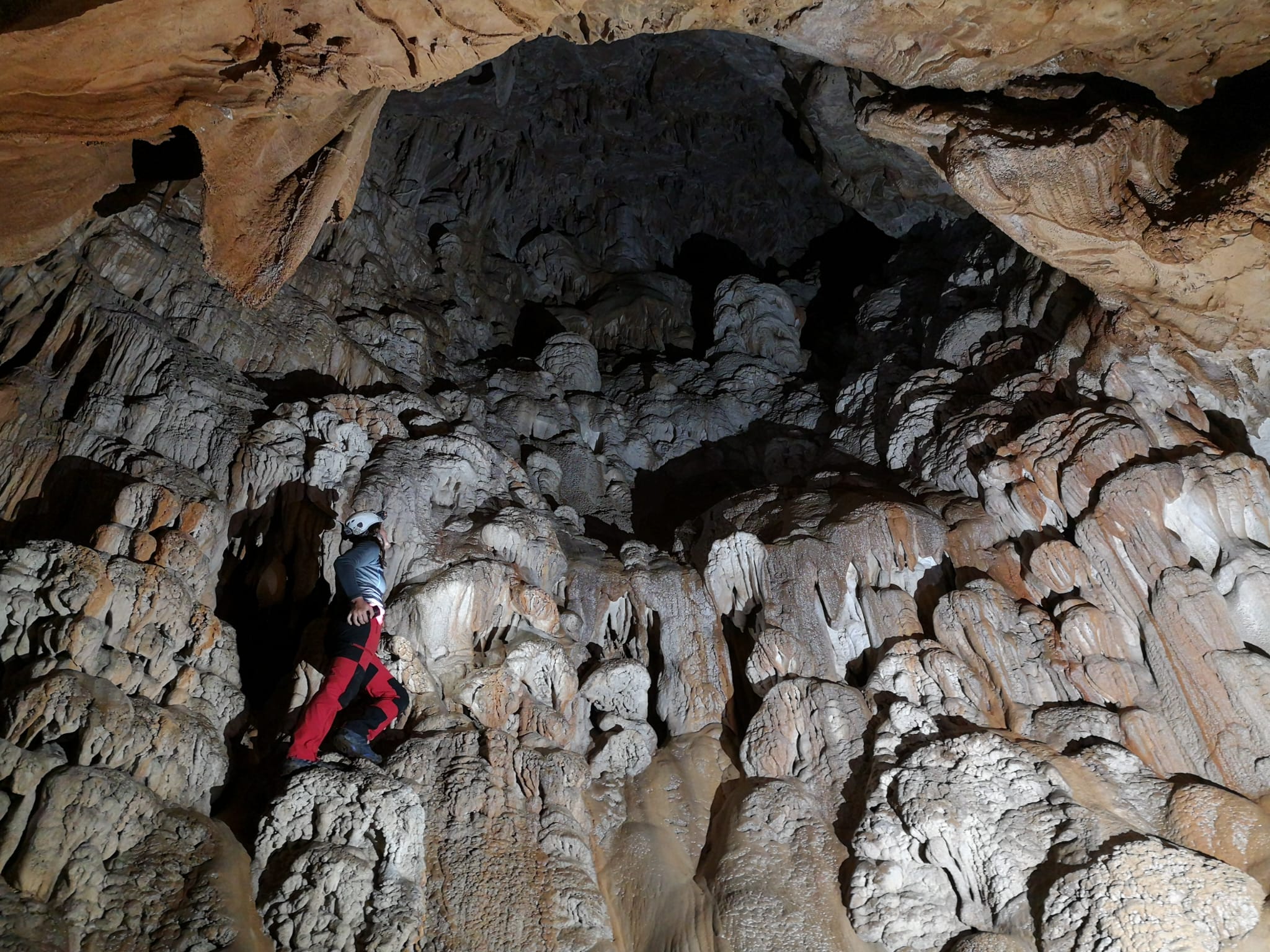
Zovnjača Cave is located in the village of Poljica, within the Municipality of Podbablje, near the hamlet of Lujani–Biloši. Stretching approximately 150 metres in length, the cave features spacious passages and impressive speleothems, including stalactites, stalagmites, columns, and flowstones. These formations are the result of thousands of years of natural geological processes that have shaped the underground landscape.

The cave has been known to speleologists since the 1970s. More detailed explorations were carried out in 1981 and again in 2018 as part of the Biokovo Geopark project. During the most recent research, Bronze Age pottery fragments were discovered, confirming the cave's archaeological significance.

Zovnjača is also one of the most important subterranean fauna sites in this part of Croatia. It is home to numerous troglobiont species, including several that were new to science when discovered. The entrance zone supports communities of mosses, lichens, and ferns, while the deeper sections provide a habitat for specialized underground organisms.

Thanks to its exceptional geological, biological, and archaeological value, Zovnjača Cave is considered one of the most remarkable natural treasures of the Imotski region.

The Domljan House Complex

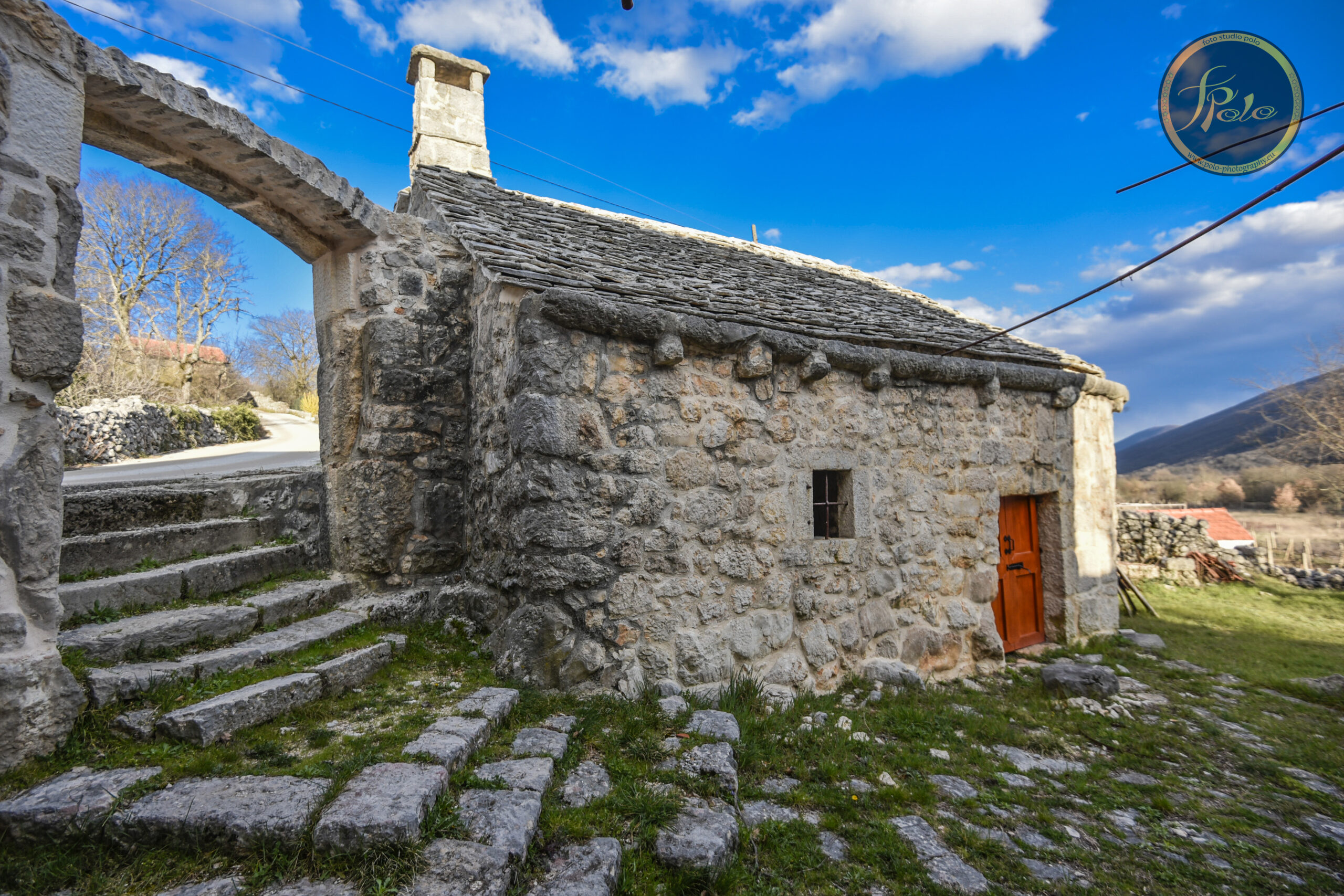
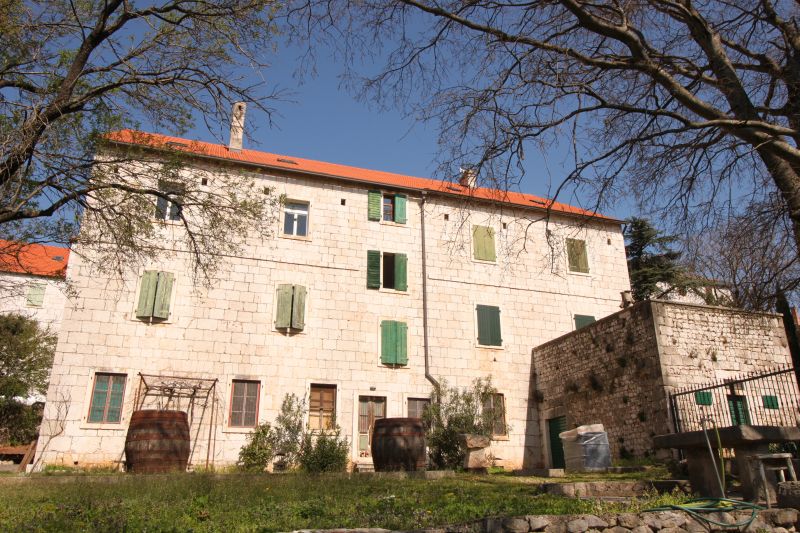
The Domljan House Complex in Krivodol is one of the finest examples of traditional architecture in the Dalmatian Hinterland. Built during the 19th and 20th centuries, it is listed in the Register of Protected Cultural Heritage of the Republic of Croatia. The complex consists of residential and agricultural buildings arranged around an enclosed courtyard, reflecting the traditional lifestyle and way of life of rural families.

Its greatest value lies in the stone houses, constructed from large, roughly dressed limestone blocks. The exceptional craftsmanship is evident in the precision of the masonry and stonework, while numerous traditional architectural features have been carefully preserved throughout the complex.

The eastern house is particularly distinctive for its original architectural design, which provides convenient access to the čatrnja (traditional rainwater cistern) from all parts of the house.

The restoration of the complex was carried out with full respect for its original appearance and traditional building techniques, without the use of modern architectural interventions. Today, the Domljan House Complex is dedicated to the development of eco-tourism and the preservation of local architectural heritage, showcasing traditional architecture as an important part of the cultural identity of the Imotski region.

Petrovića Mill

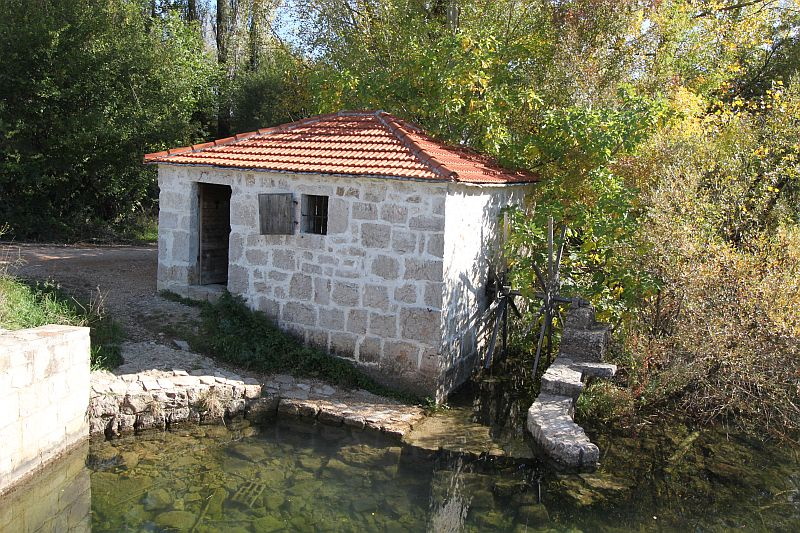
Petrovića Mill is located on the Vrljika River in Zmijavci, near the Bublin Bridge. It was built in the second half of the 19th century and represents a valuable example of traditional architectural heritage in the Imotski region.

It is a stone mill that once used the power of the river flow and an external waterwheel, known as a “tumbaz,” to grind grain. In the past, it played an important role in the daily life of local residents, as grain for surrounding villages was milled there. Unlike many old mills, Petrovića Mill has been restored and is today well preserved and still functional. Due to its historical and cultural value, it is listed in the Register of Cultural Heritage of the Republic of Croatia as a protected cultural asset. Together with the Bublin Bridge and the Vrljika River, it forms a unique historical and natural ensemble.

Today, Petrovića Mill stands as a testament to the traditional way of life and the importance of watermills in the development of this region, representing a valuable tourist and cultural attraction.

Topana Fortress

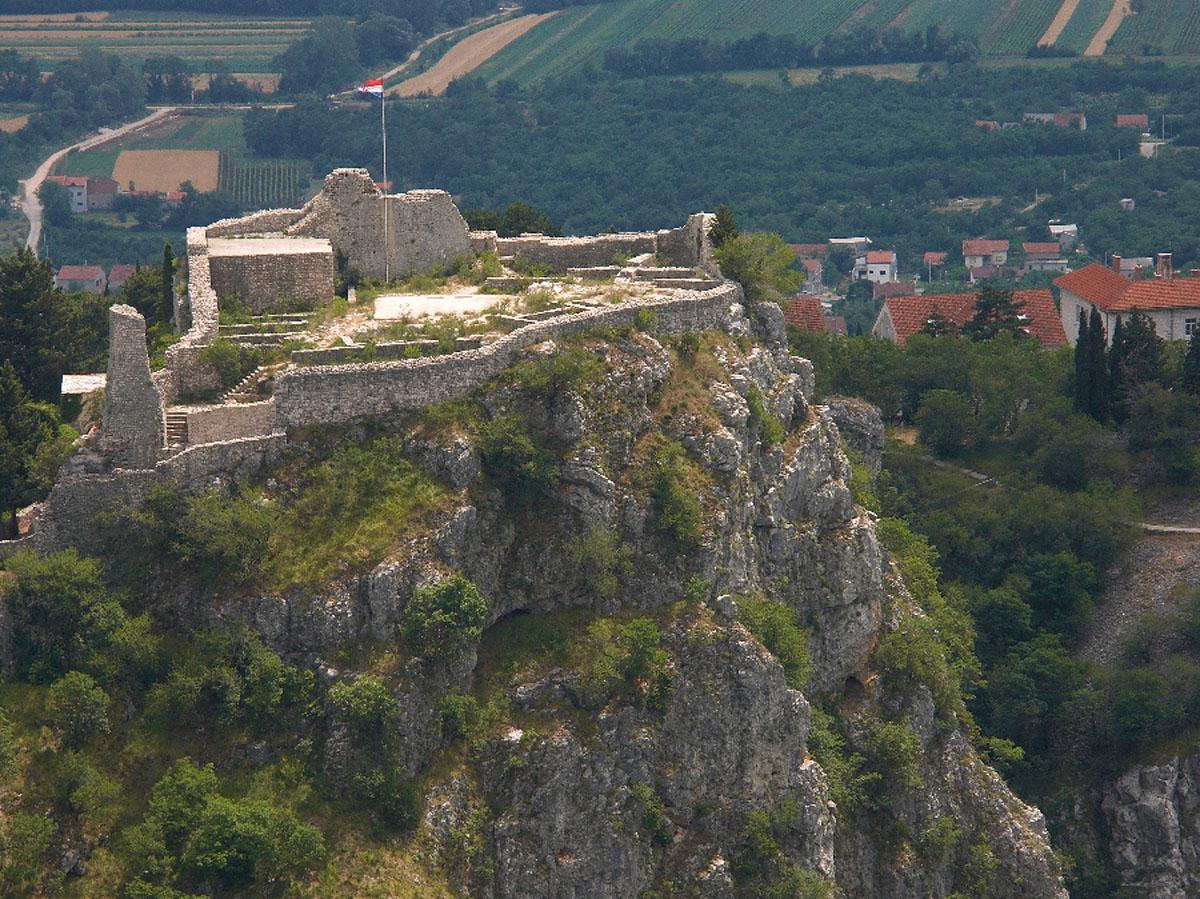
Topana Fortress is one of the most recognizable symbols of Imotski and an important monument of Croatian history. Located on a steep cliff above the Blue Lake, it served for centuries as a defensive stronghold, overseeing access to the town and surrounding area.

It was built in the 14th century on the foundations of a much older Illyrian hillfort, while the Imotski County is mentioned as early as the 10th century. Over the following centuries, it was repeatedly expanded and adapted for military needs. The fortress was named after a “topana” (an artillery depot), as it was the most important Ottoman stronghold in the Zabiokovlje region. It could accommodate a garrison of 400 to 500 soldiers and was commanded by officials known as dizdari.

Inside the walls is a votive church built in 1717 as a sign of gratitude for liberation from Ottoman rule. The fortress is dedicated to the patron saint of the Imotski region, whose feast day is celebrated on 2 August with a large procession.

Today, Topana is no longer a military fortress, but one of the most attractive sites to visit in Imotski. From its walls, visitors can enjoy a panoramic view of the Blue Lake, the town, and the rugged karst landscape of the Dalmatian hinterland.

The residential and economic complex of the Radovinović (Bitanga)

The residential and economic complex of the Radovinović (Bitanga) family is located in Imotski, near the Church of St. Francis of Assisi. It was built in the late 19th century, between 1891 and 1892, as the family estate of the distinguished Radovinović family.

The complex consists of a large stone residential house, auxiliary farm buildings, and a spacious courtyard. It was built in the traditional Dalmatian style and is characterized by a simple yet harmonious appearance. The interior has preserved original furniture and other items that illustrate the lifestyle of a wealthy family of that period. Surrounding the house are terraced gardens, former vineyards, orchards, and a large wine cellar, all of which testify to the importance of agriculture and viticulture. Due to its cultural, architectural, and historical value, this complex is protected as a cultural heritage site of the Republic of Croatia.

Today, it represents an important part of Imotski’s cultural heritage and serves as a reminder of the life and traditions of affluent families from the late 19th century.

The building of the Imotski Regional Museum

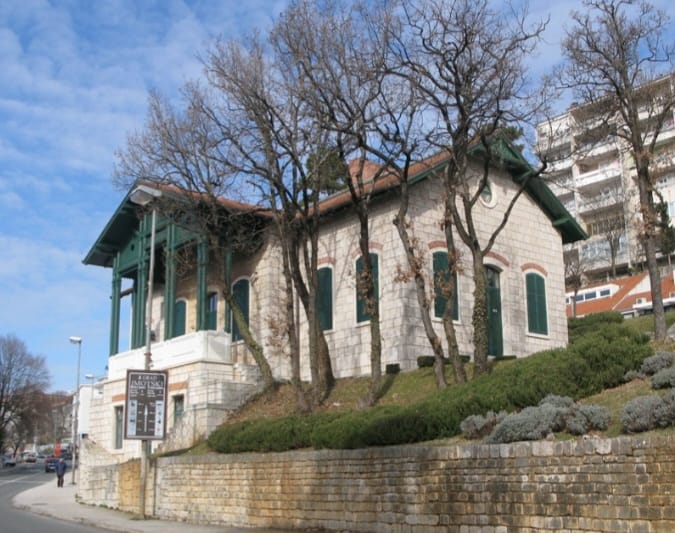
The building of the Imotski Regional Museum is located in the center of Imotski. It was built in 1903 as part of a larger industrial complex, a tobacco purchasing station during the Austro-Hungarian period.

Initially, it served as a dining hall and rest area for workers, reflecting its original economic function. It is constructed from carved stone and features a distinctive appearance with large windows and a gabled roof. The floor plan is organized to allow a functional layout of rooms. Today, the building has been restored and adapted for museum purposes, housing the Imotski Regional Museum. The museum contains archaeological, ethnographic, and cultural-historical collections that showcase the rich history of the region.

The building is a protected cultural heritage site and an important example of industrial architecture from the transition between the 19th and 20th centuries.

The Complex of the Old Health Station

The Complex of the Old Health Station is located in Imotski and represents a valuable cultural and historical heritage site of the city. It was built during the 19th century and is today protected as an individually designated immovable cultural property.

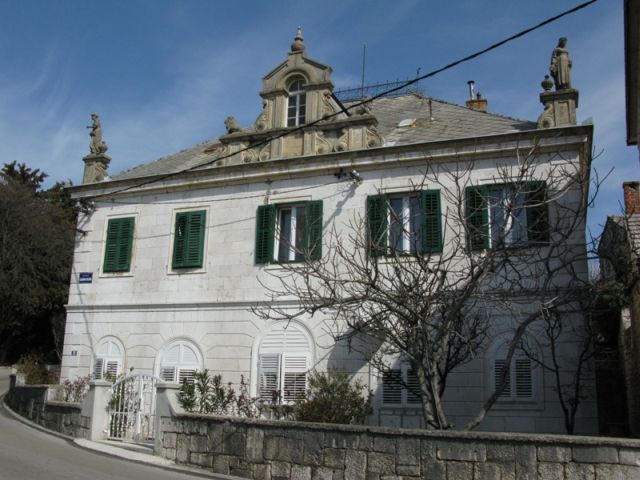
The complex consists of three houses with different architectural characteristics, situated within a terraced garden. The garden is enclosed by a stone wall with three entrance gates. The largest and architecturally most prominent building is located in the southern part of the complex and is constructed from finely worked stone. Its upper floor is particularly notable for its richly decorated attic featuring an aedicule, volutes, and lion figures. At the corners of the building are sculptures representing the seasons, placed on high pedestals decorated with volutes.

Due to its architectural value and its status as a protected cultural monument, the complex of the Old Health Station is an important part of the cultural heritage of Imotski.

The Benzon House

The Benzon House in Imotski is one of the town's most significant cultural landmarks.

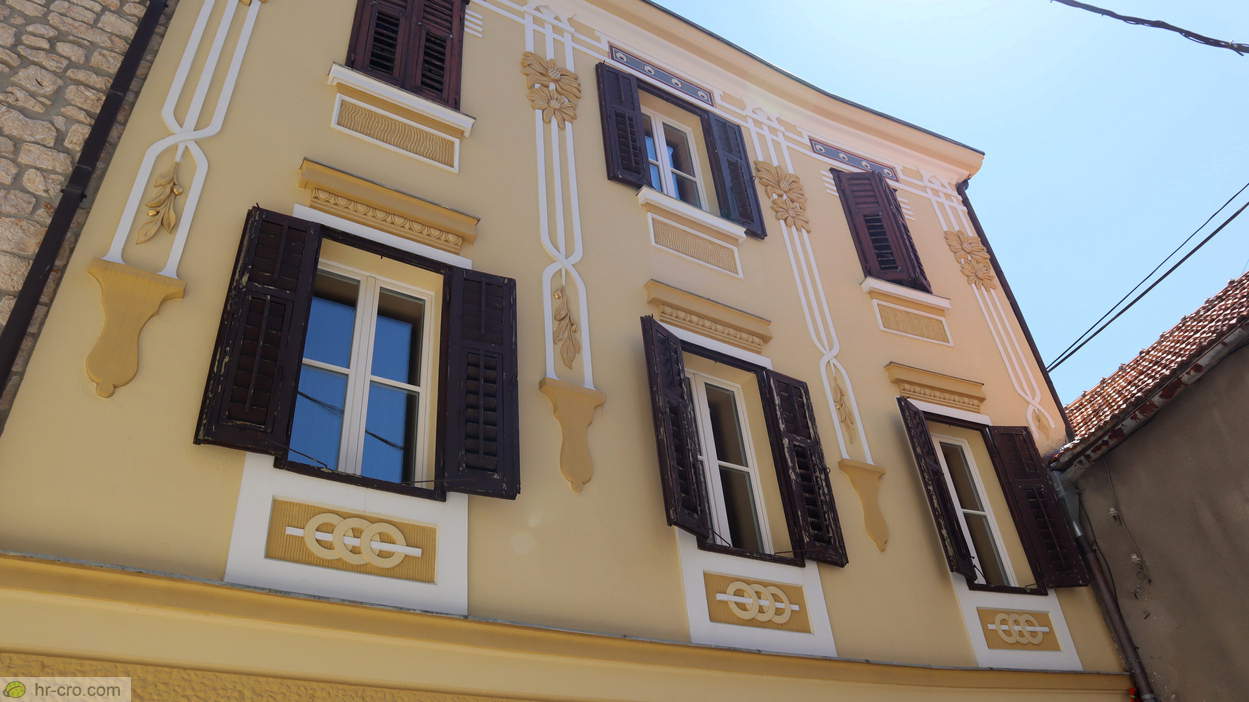
Built in the second half of the 19th century by Antonio Benzon and his son Petar, it is considered one of the first grand town houses in Imotski and reflects the development of urban architecture during that period. The two-storey building features plastered façades and distinctive Art Nouveau elements, with its richly decorated western façade standing out as its most remarkable feature.

Inside, parts of the original furniture, decorative wall paintings, and other period details have been preserved, offering a glimpse into the lifestyle of the time. Owing to its architectural and historical significance, the house is listed in the Register of Protected Cultural Heritage of the Republic of Croatia as an individually protected immovable cultural property.

Today, the Benzon House remains an important part of Imotski's cultural heritage, preserving the legacy of the town's 19th-century bourgeois society and offering visitors an insight into its rich architectural and historical past.

Perinuša Estate

Perinuša Estate in Imotski is a valuable residential and agricultural complex and one of the most significant cultural heritage sites of the Imotski region. It was established in the 18th century as the centre of a large estate owned by a noble family that received the land after the liberation of Imotski from Ottoman rule. The complex includes a watermill, two large residential buildings, storage facilities, cellars, and enclosed gardens.

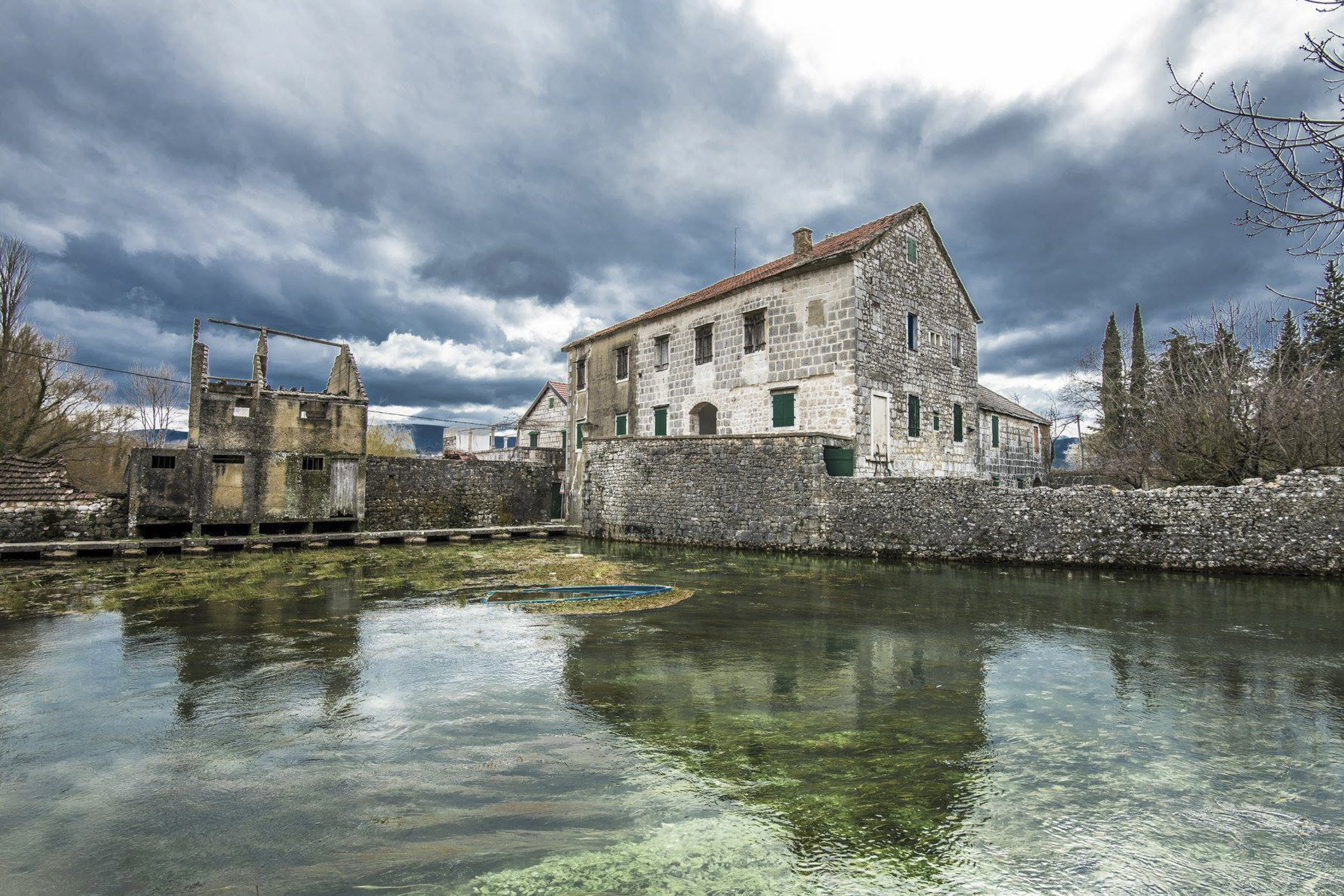
One of its most remarkable features is the historic watermill, which once operated with 14 water wheels, although only a few have survived and remain functional today. The estate also incorporates a former Ottoman tower, which was converted into a residential building during the 19th century. The southern section of the complex was built in the second half of the 19th century and still preserves furniture dating from that period.

Perinuša is the only estate of its kind in the Dalmatian hinterland to have survived to the present day, making it an important historical and cultural landmark. Although it suffered severe damage in an earthquake and deteriorated over time, it is now a protected cultural property of the Republic of Croatia and stands as a valuable testament to life in centuries past.
The authentic Dalmatian Hinterland. Luxury villas, pristine nature, and the Adriatic coast just 30 minutes away.
VILLAGES
Kamenmost
Grubine
Ivanbegovina
Krivodol
Drum
Hršćevani
Gornje Podbablje
Poljica
CONTACT
21262 Kamenmost
Drum,
Općina Podbablje, Croatia
+385 21 123 456
tic@podbablje.hr
© 2026 Turistički Informativni Centar Općine Podbablje. All rights reserved.
Designed with care for the Dalmatian Hinterland.
linkedin facebook pinterest youtube rss twitter instagram facebook-blank rss-blank linkedin-blank pinterest youtube twitter instagram